
Pendant lighting could solve a perennial problem in the workplace that affects productivity and wellbeing. In addition to constant jarring by emails and phone calls, knowledge workers in typical office set-ups endure a barrage of visual and aural distractions throughout the day. The total time lost as a result can amount to more than a quarter of their working day, creating a huge hidden cost to employers and causing workplace stress. Recent research, though, at a school in Denmark suggests that creating islands of light could help mitigate these effects and might enable adults to get more done. Surprisingly, this includes reducing office noise.
To be fully productive people have to experience what psychologist Mihaly Csikszentmihalyi called flow: ‘a state in which people are so involved in an activity that nothing else seems to matter.’ But this is almost impossible to achieve in most workplaces, where, as design process expert William Belk put it ‘everyone is distracted by everything.’
 "We can assume that everyone at every company has the potential to start each day behind a large attention deficit." William Belk
Belk conducted an anonymous survey of 700 self-styled 'high-performance employees’ in jobs such as architecture and financial services and found that nearly 60 percent regarded their workplace as distracting.
In an oft-quoted paper called The Cost of Not Paying Attention published in 2005, Basex IT analysts Jonathan Spira and Joshua Feintuch reckoned that ‘interruptions consume a little over two hours day, or 28 percent of the workday,’ of the knowledge workers they surveyed. This was because even a minor distraction could break a chain of thought and on average it took just over 25 minutes to resume each task. They estimated the annual cost to the US economy of these distractions at close to a trillion dollars.
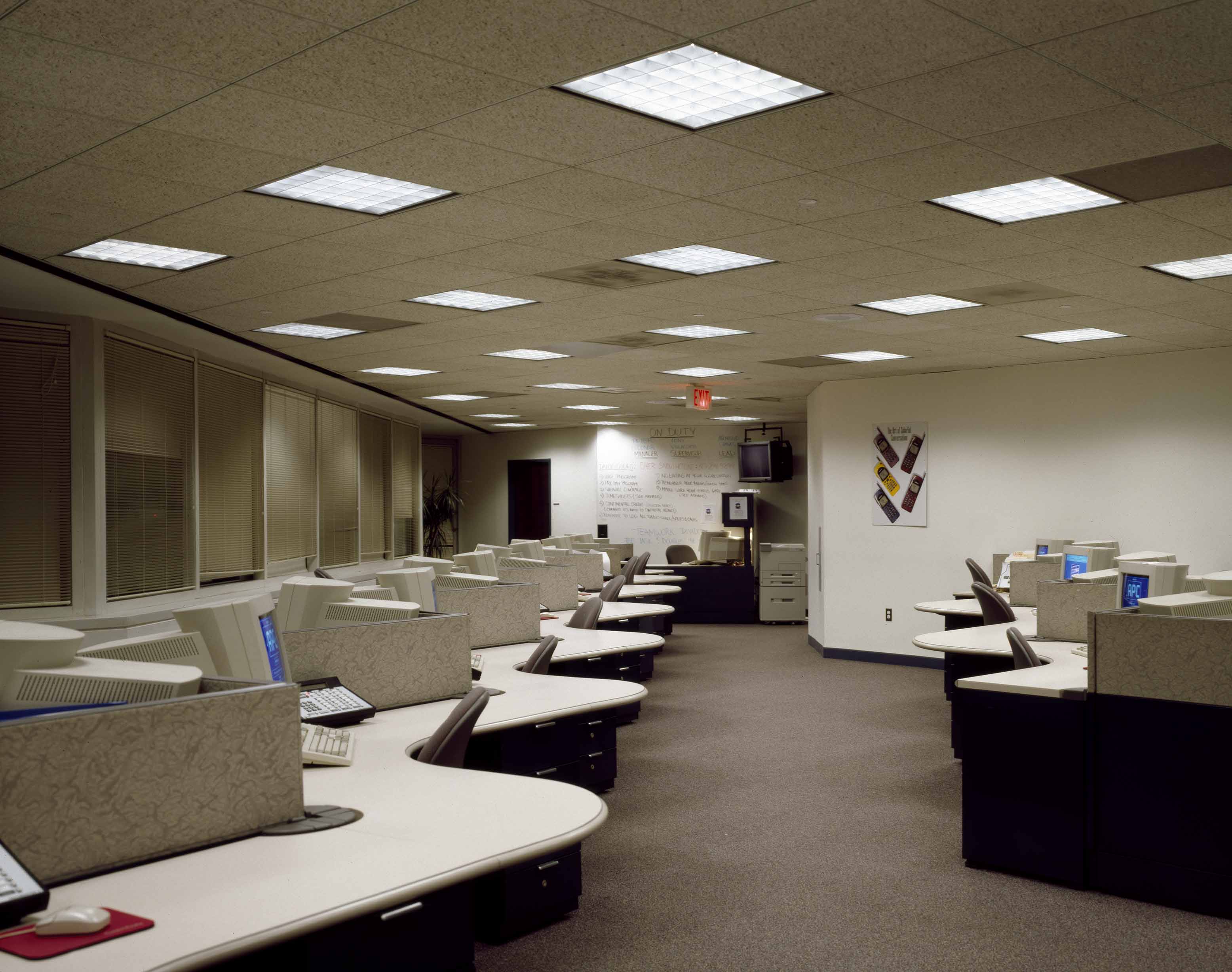
An article in Applied Ergonomics in 2102 noted that ‘information work is usually performed in offices and influenced by the combined effects of acoustics, room climate, lighting and air quality,’ and that ‘an interaction effect of background speech and lighting conditions was found with regard to perceived performance during task processing.’ The main ill effects were to ‘short-term memory, reasoning ability and well-being.’
"We spend untold thousands of dollars on free coffee and meals, gym memberships, creative perks of all kinds, yet our modern office spaces end up so similar, with so little functional creativity." William Belk
In another classic study Cornell University psychologists Gary Evans and Dana Johnson also found that clerical workers in a noisy open-plan office for just three hours experience raised adrenaline levels, a clear sign of stress. In some cases, this can accumulate, leading eventually to what psychiatrist and author Edward Hallowell has named attention deficit trait. ‘Marked by distractibility, inner frenzy and impatience, ADT prevents managers from clarifying priorities, making smart decisions and managing their time,’ he wrote. ‘This insidious condition turns otherwise talented performers into harried underachievers.’
In the USA, particularly, workplaces have been dominated by the cubicle, despite it being described by the architect Frank Duffy as ‘a disease, a pathology in the office,’ which provides neither privacy nor control, and all under a grim grid of uniform ceiling lighting.
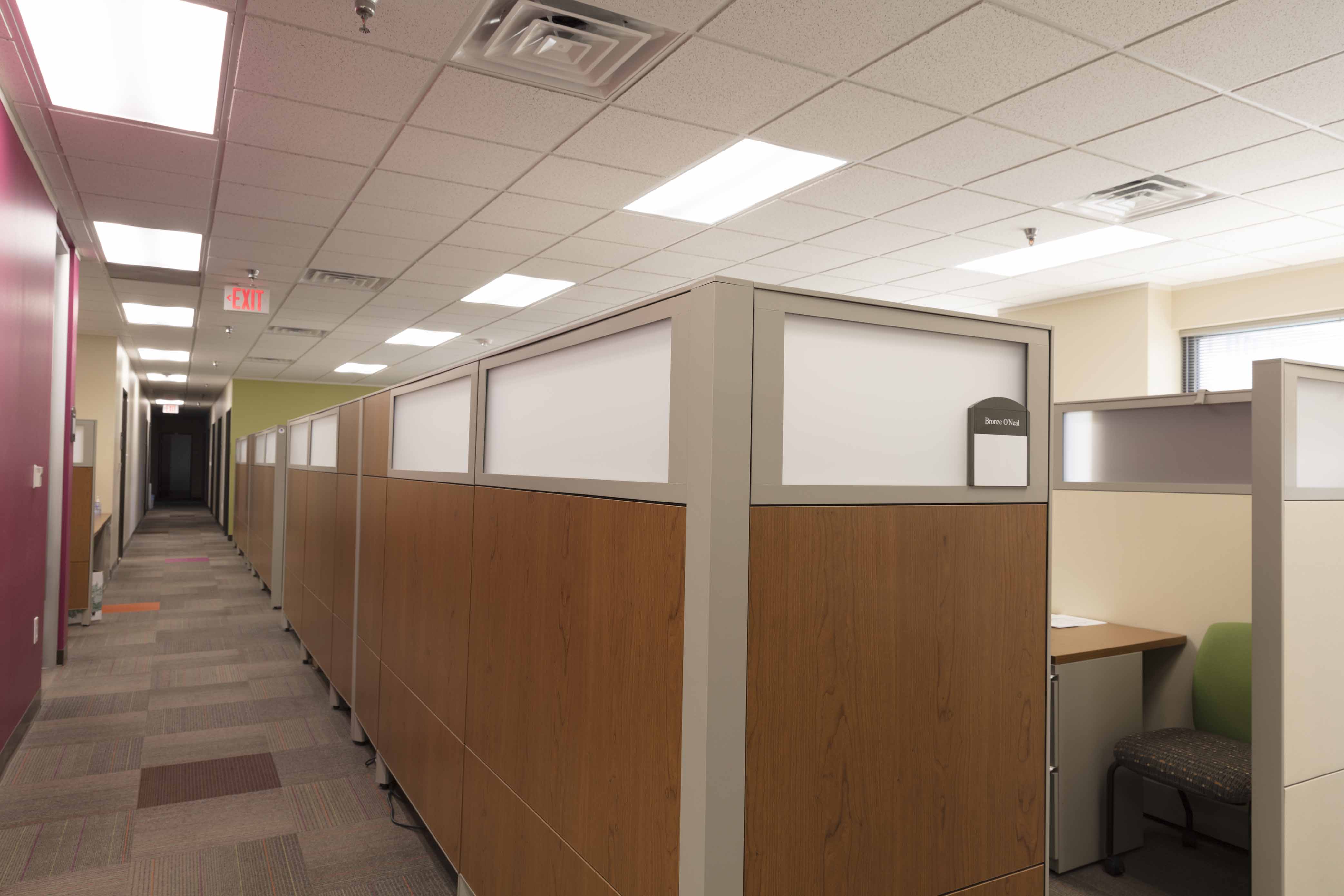
Alexi Marmot, the head of The Bartlett School of Graduate Studies at University College London says known problems with open plan offices such as ‘noise, alienation, inability to adjust light and temperature, feeling like a small cog in a large machine – need to be overcome,’ but suggests that ‘this can be achieved through attention to design.’
One solution is to create what she calls ‘places for retreat for confidential discussions and concentrated work.’ And research by the office furniture manufacturer Haworth, among others, identifies the need for clearly defined spaces both for collaboration and focus work, as part of making the workplace legible.
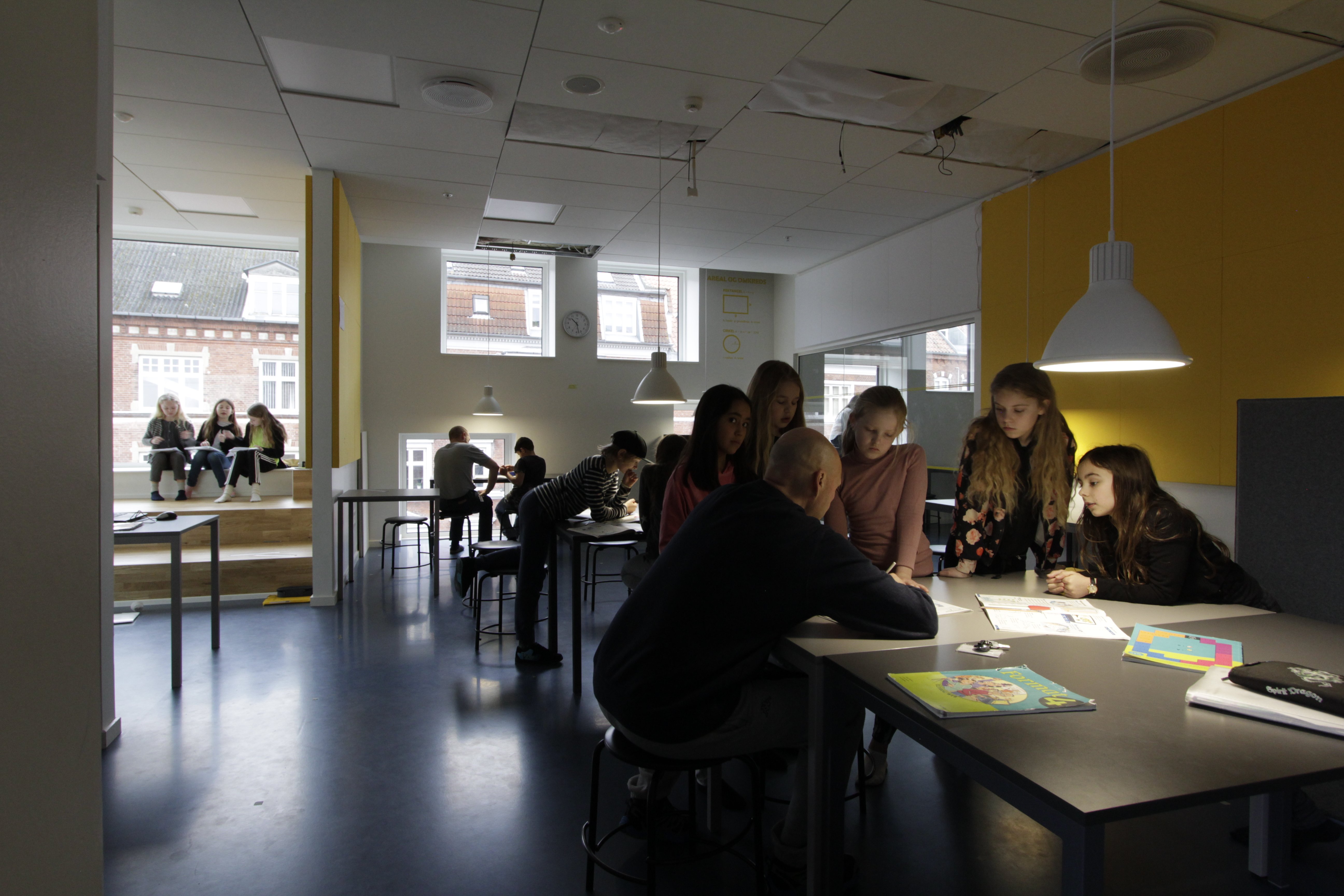
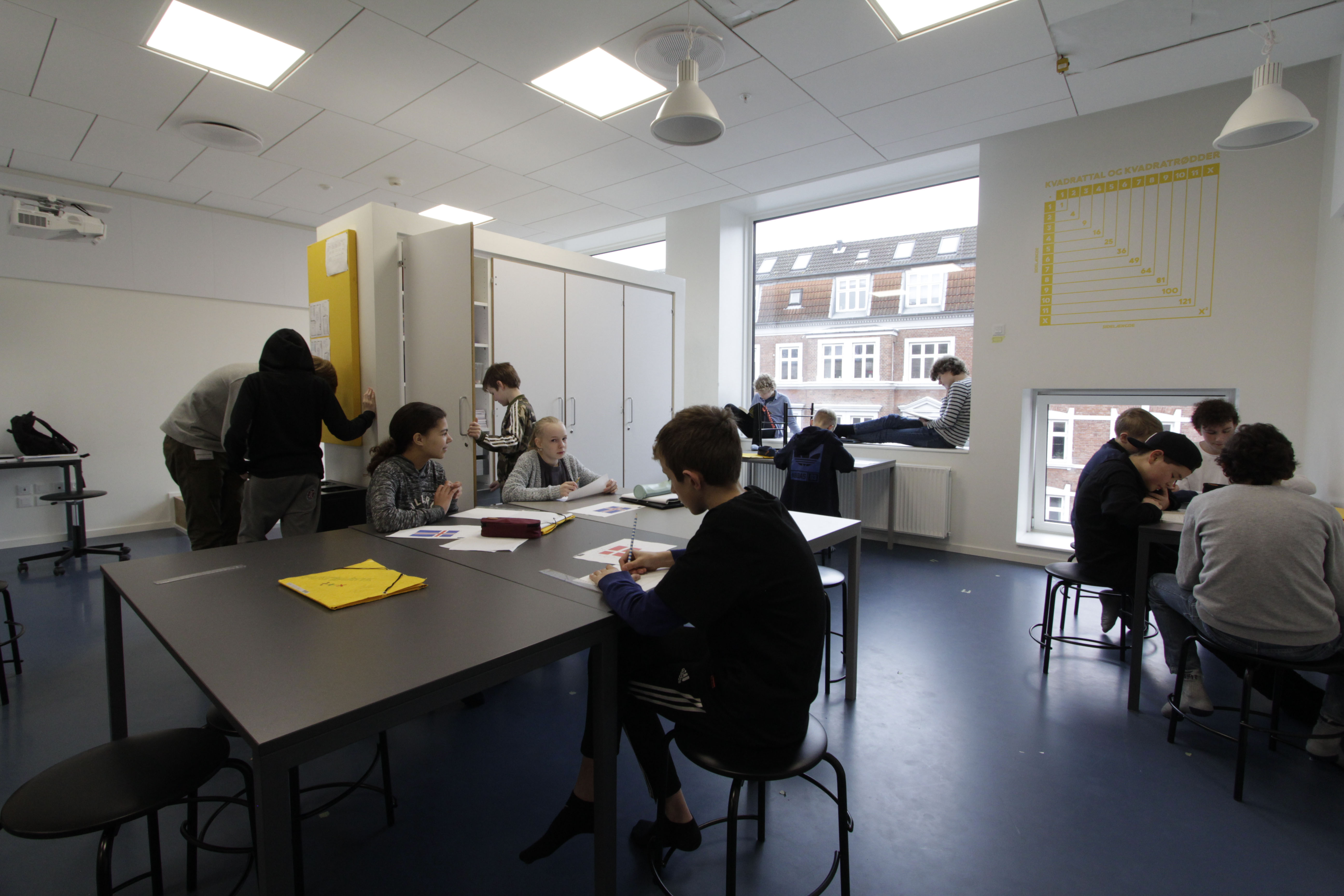
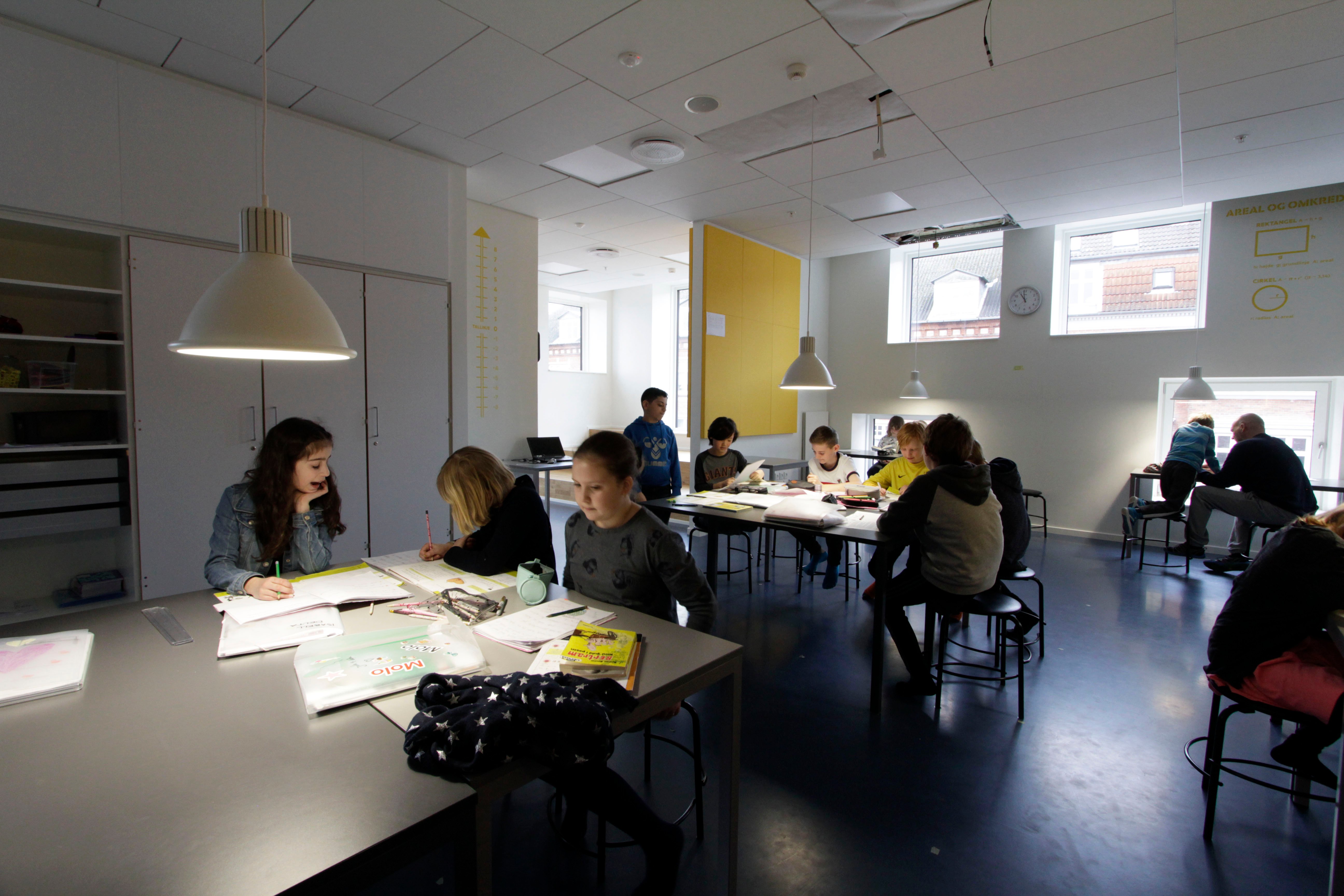
Clueles to how this can be achieved simply and effectively with lighting emerged from a study at a school in Denmark, in 2016. Henning Larsen architect and lighting designer Imke Wies van Mil found that a relatively simple intervention could affect students’ behaviour, enabling even easily distracted pupils to carry out tasks such as individual reading, and altering the social dynamics of the classroom.
Research into the links between lighting and learning has mainly focussed on students’ alertness in relation to general light levels or colour temperature. But van Mil wondered whether creating varied light zones would be better for some classroom activities than conventional, ‘industrial style’ homogenous illumination. Her hypothesis was that creating dark and light areas at certain times of day would focus pupils’ attention on individual tasks such as reading.
"Putting in pendants is a very pragmatic approach to creating lighting diversity in spaces where people of any age spend their whole day." Imke Wies van Mil
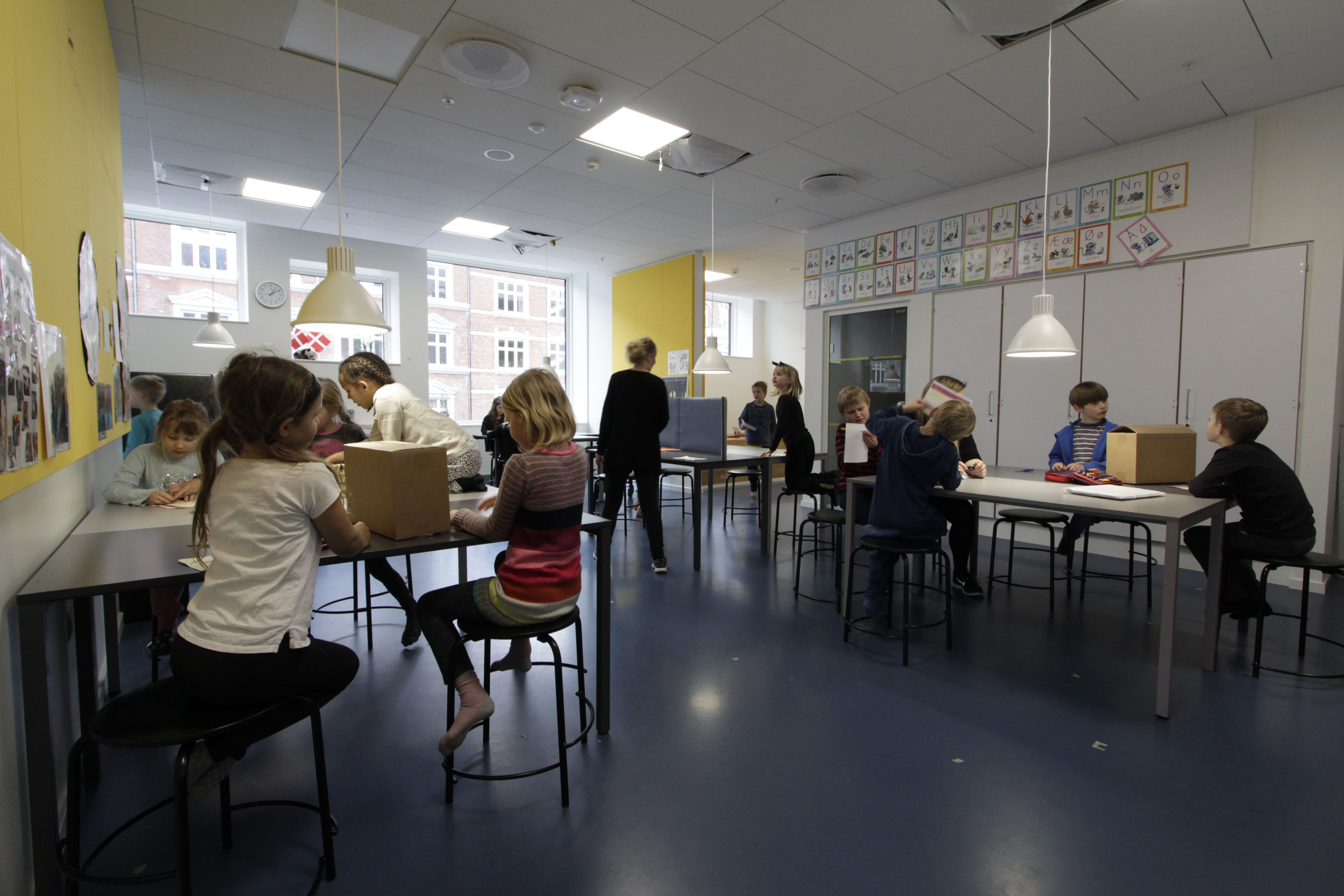
When she installed pendant lights in four classrooms at Frederiksbjerg School in Aarhus and recorded their effect over eight months, the results confirmed that creating islands of light had a significant impact on children’s ability to focus and concentrate.
Surprisingly, the new lighting had a noticeable effect on noise levels in the classroom. In three quarters of learning situations, they dropped by up to six decibels. ‘A difference of just three decibels is perceptible; six or seven was regarded by the acoustic engineers who assisted us as significant,’ she says. ‘And this particularly benefits the children who struggle to concentrate the most.’
‘Children today learn in an environment that is more playful but they still need to be able to learn and concentrate or do their exercises and read books,’ she says. ‘The data confirms one of our hopes: that non-uniform lighting would intuitively help children sit for longer at a place or, if they were interacting with other children, it would be with those closest and not at other tables,’ she adds. ‘Teachers say this helps with tiredness and concentration but they see the biggest impact on those pupils who have the hardest time concentrating and are easily distracted.’
Gerelateerd nieuws
Slim hergebruik van 600 armaturen in parkeergarage Smedjan
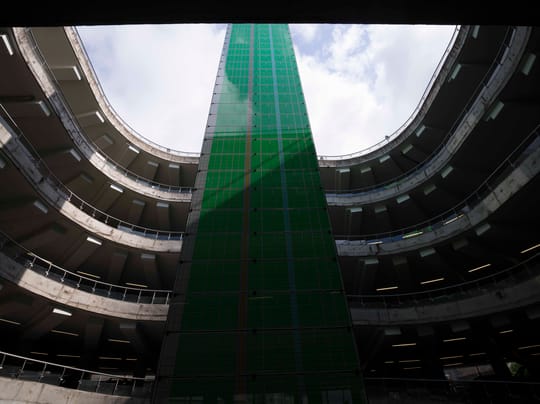
Bij het upgraden van de verlichting in parkeergarage Smedjan in Jönköping in Zweden koos de eigenaar van het pand ervoor om te investeren in hergebruik in plaats van nieuwe armaturen aan te schaffen. De oplossing was Fagerhult ReLight. Door 618 op maat gemaakte armatuurframes te hergebruiken, kon de impact op het klimaat met maar liefst 6,3 ton CO₂e worden verminderd in vergelijking met nieuw ingekochte materialen. Parkeergarage Smedjan is uniek in zijn ontwerp, met spiraalvormige banen zonder traditionele vloeren en ingebouwde verlichtingsarmaturen in het plafond. De armaturen werden geïnstalleerd toen de parkeergarage begin jaren 2000 werd gebouwd. Toen de oude TL-buizen moesten worden vervangen door LEDs deed zich een probleem voor: de armatuurframes waren op maat gemaakt en aangepast aan het gegoten beton. "We moesten een oplossing vinden die werkte met de bestaande frames en afmetingen van de betonnen structuur, en ReLight maakte dat mogelijk," aldus Martin Hulthe Landberg, technisch beheerder bij de gemeente Jönköping. Image gallery - Smedjan Eenvoudig hergebruik met ReLight Het project begon met het opsturen van een paar armaturen naar Fagerhult, die ze gebruikte om een prototype te maken. Na enkele productontwikkelingsrondes en het uitwisselen van ideeën waren de nieuwe LED-kits klaar voor installatie. De installateurs konden eenvoudig het chassis vrijmaken en de verbeterde lichtbron op zijn plaats aanbrengen, waarbij de bestaande armatuurframes opnieuw werden gebruikt zonder dat ze uit de betonnen structuur hoefden te worden gehaald. "Tijdens de werkzaamheden hebben we de parkeergarage in fasen afgesloten en de installatie verliep soepel. We konden drie tot vier armaturen per uur wijzigen." Elk ReLight-project is gebaseerd op een duidelijke kerngedachte. De kenmerken, energie-efficiëntie en het lichtcomfort van het armatuur moeten voldoen aan dezelfde hoge normen voor kwaliteit, veiligheid en duurzaamheid als een nieuw armatuur. Lager verbruik en beter licht Zelfs voordat de armaturen werden geüpdatet, was er al een lichtregelsysteem. Ook dit kon worden hergebruikt en geïntegreerd in de nieuwe oplossing. Na de overstap op LEDs is het energieverbruik in de eerste zes maanden na ingebruikname met ongeveer 30% gedaald. "Verlichting is verantwoordelijk voor een groot deel van het energieverbruik, dus overstappen op LED had een zeer positief effect. We denken bovendien dat we een verdere verlaging zullen zien wanneer we over het hele jaar meten en we het systeem bijgesteld hebben. Tegelijkertijd hebben we een veel betere lichtomgeving in de parkeergarage gekregen en dat is al een winst op zich." Quote block - Martin Meer projecten op komst In totaal werden 618 armaturen hergebruikt, wat betekende dat er 2.609 kg plaatstaal kon worden hergebruikt. Dit komt overeen met een klimaatbesparing van 6.288 kg CO₂e – vergeleken met wanneer dezelfde hoeveelheid materiaal uit nieuwe grondstoffen zou zijn geproduceerd. De ReLight-oplossing is nu besteld voor een andere parkeergarage en de eigenaar van het pand ziet grote mogelijkheden om de impact van hun gebouwen op het klimaat te verminderen door hergebruik. “Er is vaak helemaal niets mis met het chassis of de kabels. We kunnen hetzelfde ontwerp en dezelfde standaard behouden, geld besparen en een duurzamere oplossing vinden. Dat voelt heel goed,” zegt Martin Hulthe Landberg. Image galley 2 - Smedjan Parkeergarage Smedjan - ReLight in cijfers 618 hergebruikte armaturen 2,6 ton gerecycled materiaal 6,3 ton CO₂e-besparing
Duurzaam en Modern Onderwijs in Harlingen
Harlingen heeft een rijke geschiedenis van meer dan 200 jaar in het aanbieden van maritiem onderwijs. Sinds 1818 hebben studenten hier zowel praktische als theoretische vaardigheden in het varen ontwikkeld. In 2024 opende de Maritieme Academie Harlingen officieel haar deuren. Deze moderne faciliteit biedt onderdak aan 150 studenten, met 118 slaapkamers, recreatiezalen, woonkamers en keukens. Op de benedenverdieping bevindt zich een groot restaurant met kiosk, en buiten is er een prachtig terras aan het water. Wat deze huisvesting echt bijzonder maakt, is de duurzame aanpak. Het gebouw wordt volledig elektrisch verwarmd door 1000 zonnepanelen op het dak, wat bijdraagt aan een milieuvriendelijke leeromgeving. Dankzij de samenwerking met STRAKKS Ingenieurs en Pranger-Rosier Installaties, heeft Sybren Sypersma (Fagerhult Benelux) de nieuwste verlichtingstechnologieën geïmplementeerd. Hierdoor kunnen studenten in een optimaal verlichte omgeving leren en werken. Dit nieuwe gebouw is niet alleen een plek om te leren, maar ook om te groeien en te leven, waarbij jongeren zich kunnen voorbereiden op een succesvolle maritieme carrière.